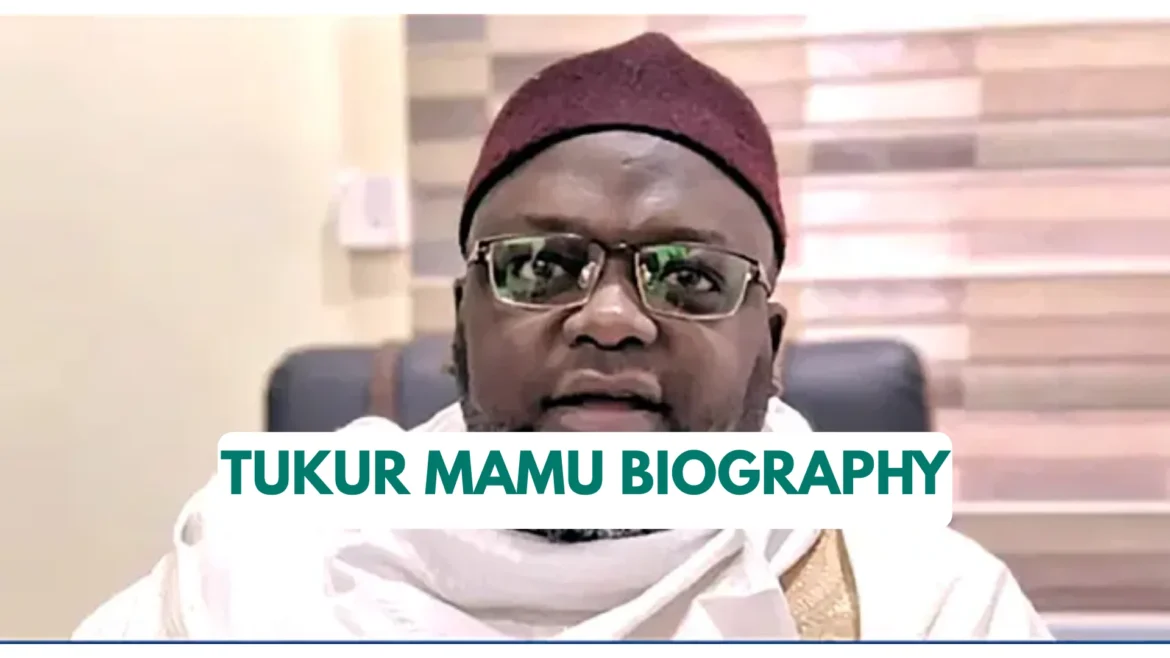
Tukur Mamu is a name often mentioned in conversations about Nigerian media, activism, and public commentary. Over the years he has built a public profile as a journalist and media figure whose work and life reflect the tensions and possibilities of contemporary Nigeria.
This biography explores his early life, education, career milestones, notable controversies, contributions to public life, and the legacy he is building. Where facts vary in public sources, this piece aims to present a balanced view and flag contested areas.
Bio Data
- Full Name: Tukur Mamu
- Born: 1974
- Age: 50 years old (as of 2024)
- Birthplace: Kaduna State, Nigeria
- State of Origin: Kaduna State
- Nationality: Nigerian
- Occupation: Journalist, Publisher, Media Consultant
- Religion: Islam
- Spouse: Married
- Children: Yes
- Relationship: Married
- Net Worth: Not publicly available
Early Life and Background
Tukur Mamu was born into a Nigerian family and raised in a community where storytelling, religion, and civic life were important. Like many Nigerian journalists and public commentators, his formative years were shaped by local culture, family expectations, and exposure to both the possibilities and challenges of Nigerian society. Early influences — teachers, community leaders, and the local press — appear to have encouraged his interest in communication and public affairs.
While exact dates and specific childhood anecdotes are not universally recorded in public profiles, Mamu’s upbringing in Nigeria gave him a firsthand view of the social and political issues that would later appear in his professional and activist work. He is known to be observant of community life and attuned to the needs and concerns of ordinary citizens.
Education
Public information indicates that Tukur Mamu pursued education that helped prepare him for a career in media and public commentary. Journalism and communications training — whether formal or on-the-job — usually form the backbone of such a career. Those who followed his work note that his writing and speaking style reflect both practical experience in reporting and a deep interest in social issues.
Career Beginnings
Mamu’s career began in media circles where he developed reporting, editorial, and public engagement skills. Early roles likely included reporting, editorial assistance, or working with local publications and radio. These experiences allowed him to build networks and a reputation for reliability, investigative curiosity, and a willingness to address sensitive topics.
As with many public figures in media, career progression included increasing responsibility: editing, producing, and sometimes founding or co-founding media or community projects. His early career established the foundation for later influence in journalism and public discourse.
Rise to Prominence
Tukur Mamu gained wider attention through incisive commentary, opinion pieces, or reporting that touched national issues. What set him apart was a combination of persistence, a willingness to tackle difficult subjects, and a voice that resonated with readers and listeners. He became recognized not only as a journalist but also as a commentator whose perspectives influenced public conversation.
A significant aspect of his visibility comes from covering issues that matter to many Nigerians — governance, security, social justice, and community resilience. This coverage brought both supporters and critics, and it positioned him as a notable public figure.
Key Works and Contributions
- Investigative or feature reporting that highlights social or security challenges.
- Opinion pieces that frame public debates in accessible language.
- Engagements with civil society or community organizations to amplify local voices.
These contributions have helped inform readers and sometimes spurred conversation among policymakers and civic actors.
Controversies and Challenges
Public figures in journalism often face controversies — from disputes over facts to legal and security challenges. Tukur Mamu’s public life includes contested moments that attracted media attention. These episodes typically involve differences over reporting, public statements, or interactions with authorities. As is common in such situations, details can be disputed; different sources may present contrasting narratives.
Importantly, controversies illustrate the risks and pressures that media professionals can face in environments where reporting intersects with politics, security concerns, or social tensions. Mamu’s experiences reflect broader questions about press freedom, personal safety, and the role of journalists in holding power to account.
Awards, Recognition, and Impact
While some media figures receive formal awards, others measure recognition through audience reach, influence on public debate, or the real-world outcomes of their reporting. Tukur Mamu’s impact can be seen in how his work has sparked conversations, raised awareness on issues, and contributed to civic debates. Whether formally awarded or informally celebrated by communities and peers, recognition of his work underscores the role of persistent journalism in democratic life.
Personal Life and Community Engagement
Beyond professional accomplishments, Mamu’s life includes personal commitments to family, faith, and community. Many journalists sustain their public work with local involvement — mentoring younger reporters, participating in community initiatives, or supporting charitable causes. These personal dimensions help explain why some figures remain connected to grassroots concerns even as they gain national attention.
Legacy and Continuing Influence
Tukur Mamu’s legacy is still being written. For many, legacy consists of the stories told, the conversations started, and the communities served. He represents a strand of Nigerian media committed to shedding light on social issues and amplifying underrepresented voices. As his career continues, his influence will depend on the durability of his reporting, the trust of his audience, and his ability to adapt to changing media landscapes.
Conclusion
Tukur Mamu is a figure whose life illustrates the possibilities and perils of journalism in Nigeria. From early curiosity about public life to a career that engaged with pressing social issues, his journey is emblematic of a generation of media practitioners seeking impact through storytelling. While controversies and challenges have marked parts of his public life, so too has a consistent focus on raising awareness and participating in civic life.
Frequently Asked Questions (FAQs)
Who is Tukur Mamu?
Tukur Mamu is a Nigerian media figure known for his work in journalism, commentary, and public engagement.
What is Tukur Mamu known for?
He is known for reporting and commentary that highlight social issues, community concerns, and public policy debates.
Has Tukur Mamu won any awards?
Public recognition takes many forms. Specific awards should be verified in reputable records or news archives.
Has he faced legal or security challenges?
Media work can involve legal and security risks. Reports about specific challenges exist in public discourse, and details can vary by source.
Where can I read Tukur Mamu’s work?
Search reputable Nigerian news platforms, archives, and interview repositories for specific articles and interviews.